
Japan Rail Pass Guide for Tourists:
Your simple guide to the Japan Rail Pass for travelers
How to Save on Train Travel in Japan


What is the Japan Rail Pass?
The Japan Rail Pass (JR Pass) is a special train ticket designed exclusively for foreign tourists visiting Japan. It allows unlimited travel on most trains operated by the Japan Railways Group (JR), including the world-famous Shinkansen bullet trains, for a fixed number of days. The pass is intended to make traveling across Japan fast, convenient, and highly cost-effective, especially for those planning multi-city or long-distance trips. With a JR Pass, you don’t need to buy separate tickets for each journey, which simplifies travel planning and can save a considerable amount of money.
It is valid on all four main islands—Honshu, Hokkaido, Kyushu, and Shikoku—and covers nearly all JR trains, selected long-distance and local buses, and even the JR ferry to Miyajima. This wide coverage makes it an ideal option for exploring both major cities and more remote areas accessible by JR lines, allowing tourists to experience Japan more fully without worrying about individual ticket costs.



Who Should Consider the JR Pass?
The JR Pass is most beneficial for travelers who plan to visit multiple cities or regions. If your itinerary includes popular destinations such as Tokyo, Kyoto, Osaka, Hiroshima, or Sapporo, the pass can save a significant amount of money and make your travel more flexible. It is particularly helpful for:
First-time visitors exploring Japan’s major cities who want convenience and speed without constantly buying tickets
Travelers taking long-distance Shinkansen trips, which can be expensive if purchased individually
Tourists who want the freedom to adjust their travel plans daily without worrying about extra ticket costs
Families traveling with children, since kids under 12 pay half the adult fare, making group travel more affordable
However, if your plans are focused mostly on one city or rely primarily on local subways and buses, the JR Pass may not provide good value compared to individual tickets or regional passes.
,,This JR Pass location is for international customers"
Advantages and Disadvantages of the JR Pass
The JR Pass has several notable advantages. It is extremely cost-effective for long-distance travel, as even a single Shinkansen ride between major cities can almost equal the cost of a 7-day pass. Beyond saving money, it allows unlimited travel on JR trains, includes free seat reservations for added convenience, and provides coverage across all four main islands. The pass is particularly convenient for tourists planning day trips, multi-city journeys, or last-minute itinerary changes.
There are, however, some limitations. The JR Pass does not cover private railways, subway systems, or most local buses, meaning you may need to buy additional tickets for some urban travel. Also, the pass is usually purchased before arriving in Japan, which requires planning ahead. For short stays or trips confined to a single city, buying individual tickets or local passes may be a more economical choice.
How the JR Pass Works
The JR Pass is available in 7, 14, or 21 consecutive-day options. After activating it at a JR office in Japan, travelers can board nearly all JR trains, except for Nozomi and Mizuho Shinkansen services. Seat reservations are included at no extra cost, and the pass can be used for both day trips and long-distance travel across Japan’s extensive rail network.
Children under 12 pay half the adult fare, which makes it a good option for families, and children under 6 usually travel free as long as they do not occupy a seat. This flexibility allows families to travel together economically while still having reserved seating for comfort on long rides.

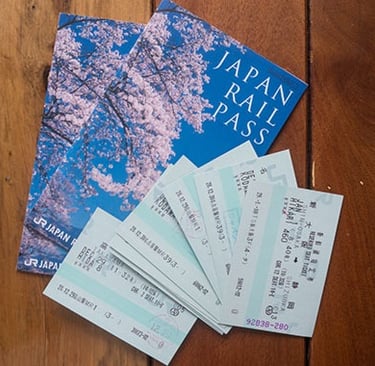
Types of JR Pass
There are two main types of JR Pass:
Ordinary Pass: Offers standard seating, which is comfortable for most travelers and is the most budget-friendly option. It provides ample convenience for regular journeys without the extra cost of first-class amenities.
Green Pass: Offers first-class seating with wider seats, more legroom, and a quieter environment. This option is ideal for longer journeys, travelers who value extra comfort, or anyone who wants a more spacious and relaxed travel experience.
Both types are available for 7, 14, or 21 days. Approximate prices for adults and children are:
7-day Ordinary: ¥33,610 / ¥16,800
14-day Ordinary: ¥53,300 / ¥26,650
21-day Ordinary: ¥68,000 / ¥34,000
7-day Green: ¥44,810 / ¥22,400
14-day Green: ¥72,310 / ¥36,150
21-day Green: ¥91,670 / ¥45,830
Prices may vary slightly depending on exchange rates, ticket vendors, or promotional offers, so it is always a good idea to check current rates before purchasing.
When the JR Pass is Worth It
The JR Pass is most cost-effective for long-distance travel between major cities like Tokyo, Kyoto, and Osaka, or for multiple Shinkansen trips in a short period. It is also valuable for trips to more remote areas connected by JR lines. Traveling with children can further increase the pass’s value, since they pay half price.
For example, a round trip from Tokyo to Hiroshima costs approximately ¥28,000. Purchasing a 7-day JR Pass for ¥33,610 would cover almost the entire main journey, and it allows additional day trips or side trips without extra cost, making it an excellent value for multi-city itineraries.


When the JR Pass May Not Be Necessary
You might not need a JR Pass if:
Your travel is concentrated in one city, mainly using subways or buses
You are only taking short trips where single tickets are cheaper than a pass
You rely on low-cost airlines for intercity travel
Your itinerary is regional, with limited use of JR lines
It is always recommended to compare the total cost of individual tickets with the JR Pass before deciding to purchase, as the savings depend heavily on your specific travel plans.
Tips for Using the JR Pass
To get the most value from the JR Pass, activate it on the day of your longest journey. Always reserve seats on popular routes, particularly during peak travel seasons. Check train schedules carefully to choose the fastest routes and connections. For local travel, you can combine the JR Pass with regional passes for additional convenience. Keep in mind that the Nozomi and Mizuho Shinkansen services are not covered by the pass, so you may need to take slightly slower Shinkansen options.


Best JR Pass Routes in Japan
JR Pass vs Individual Tickets
Is the JR Pass Worth It in 2025?
How to Use the Japan Rail Pass
View Following Blogs regarding JR PASS
About me
This website was created to make traveling in Japan easier, clearer, and more accessible for everyone.
Japan is an incredible country, but planning a trip can quickly become overwhelming. From train systems and travel passes to cultural differences and hidden spots, there is a lot to understand before you go. The goal of this site is to simplify that process and help you travel with confidence.
Instead of complicated guides, you will find clear explanations, practical tips, and well-structured information that actually helps you make decisions. Whether you are visiting Japan for the first time or planning a more detailed trip, this site is designed to guide you step by step.
Everything here is focused on one idea: helping you experience Japan in the best and most efficient way possible, without confusion or stress.
FAQs
Do children pay less for the JR Pass?
Yes, children aged 6–11 pay half price. Children under 6 usually travel free if they do not occupy a seat, which makes the pass economical for families.
Can the JR Pass be used throughout Japan?
Can the JR Pass be purchased in Japan?
Yes, seat reservations are included at no extra cost, which is useful for popular routes or during busy travel periods.
Can I reserve seats with the JR Pass?
Most tourists buy the pass before entering Japan, but some types are available at limited JR offices inside the country. Purchasing in advance ensures availability and can save time at the station.
It works on JR trains across Honshu, Hokkaido, Kyushu, and Shikoku, as well as on some JR buses and ferries. Private railways, subways, and most local buses are not included, so additional tickets may be needed for urban transport.


Contact
Reach out anytime for personalized travel plans
Phone
© 2025. All rights reserved.